Choosing the right pair of shoes is part science, part feel, and all-important if you want your runs to be comfortable, efficient, and injury-free. In this blog, we will walk you through how to choose running shoes step by step: from sole materials and foot type to cushioning, durability and buying online. Read on and you’ll leave with a clear checklist you can use in-store or when shopping from the comfort of home.
Why the Right Running Shoes Matter
Shoes do more than protect your feet. They influence how your foot strikes the ground, how your joints absorb impact and how efficiently your muscles work. A mismatched pair can lead to blisters, niggles or longer-term injuries; the right pair can make training feel almost effortless. Think of running shoes as the bridge between your body and the ground. If built poorly, the bridge weakens your whole run, and when built well, it amplifies your strengths.
Which Sole Material is Best for Running Shoes?
When people ask which sole material is best for running shoes, they’re typically comparing foam types, rubber compounds, and shoes insoles. Modern midsoles often feature engineered foams like EVA (ethylene-vinyl acetate), PU (polyurethane), and newer blends that include proprietary polymers. EVA is known for being lightweight and soft, while PU is denser and more durable.
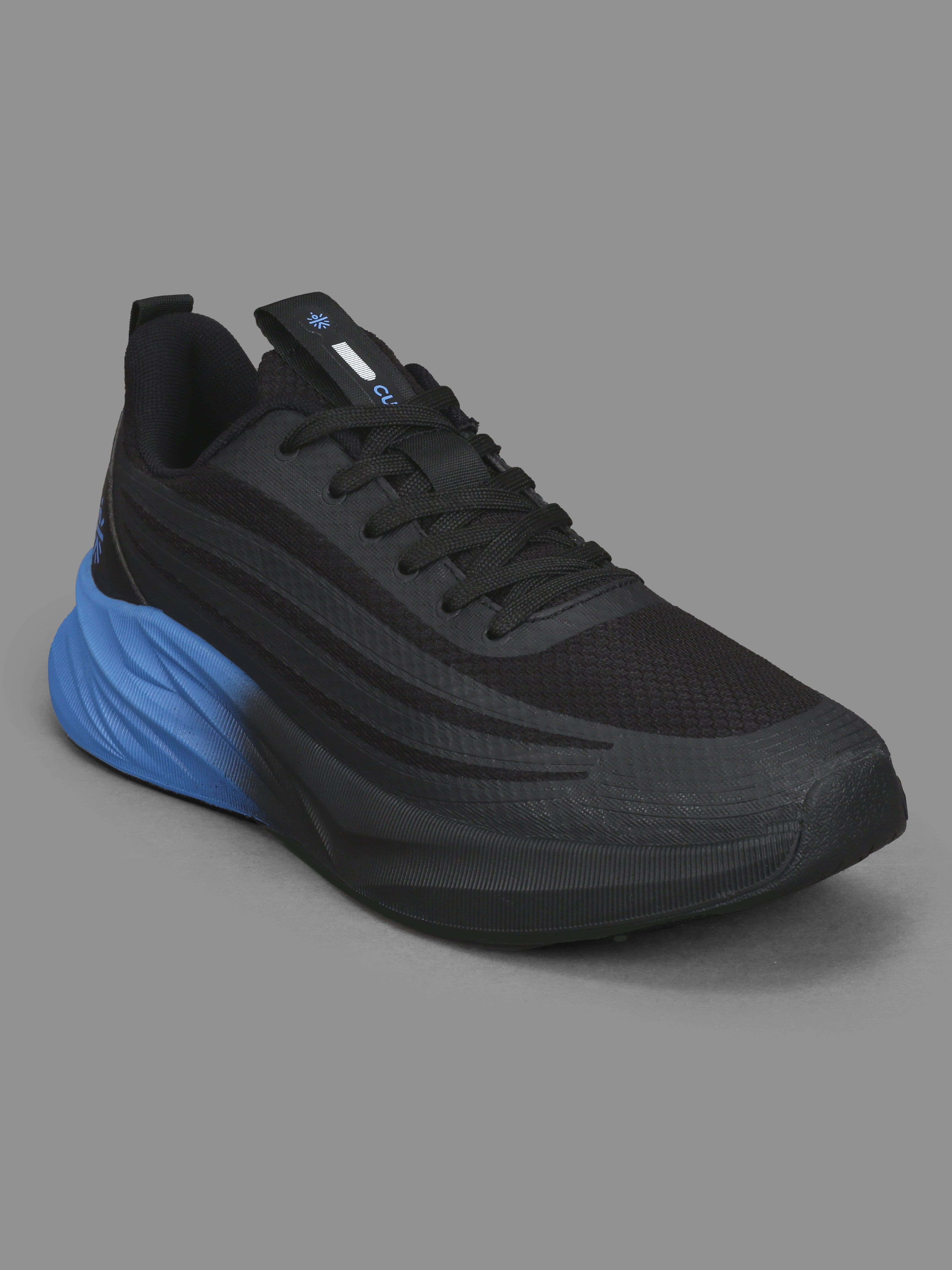
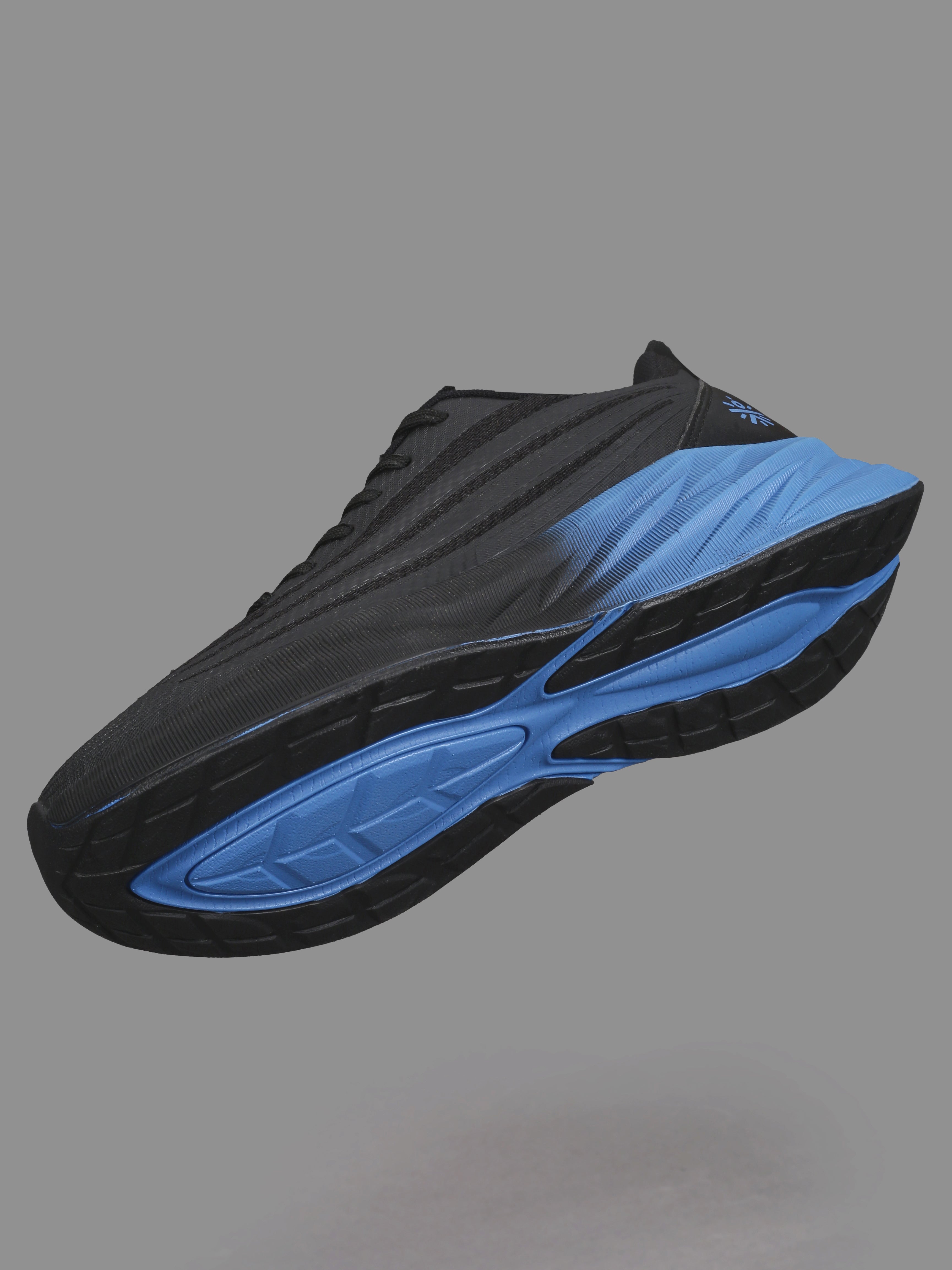
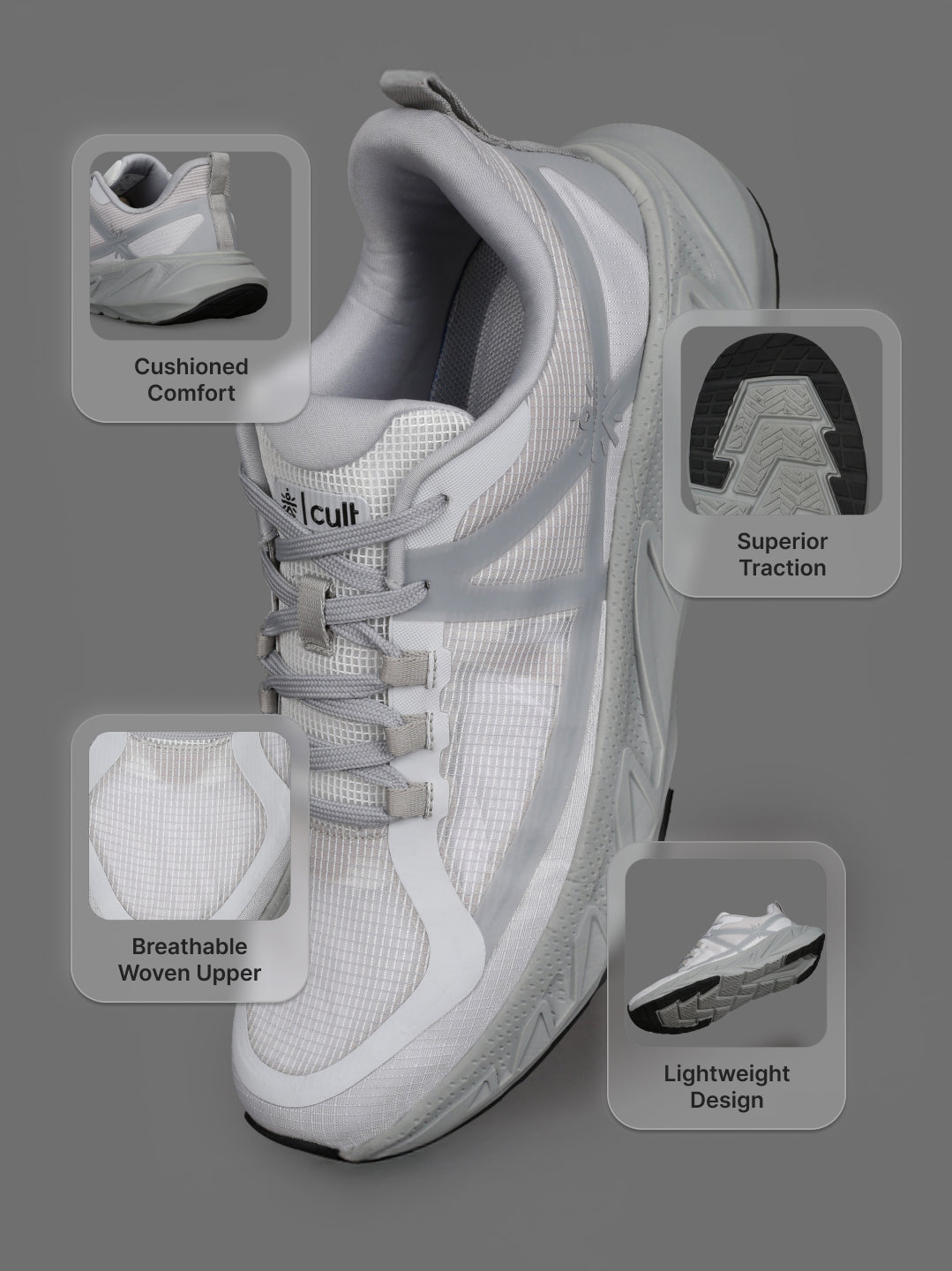
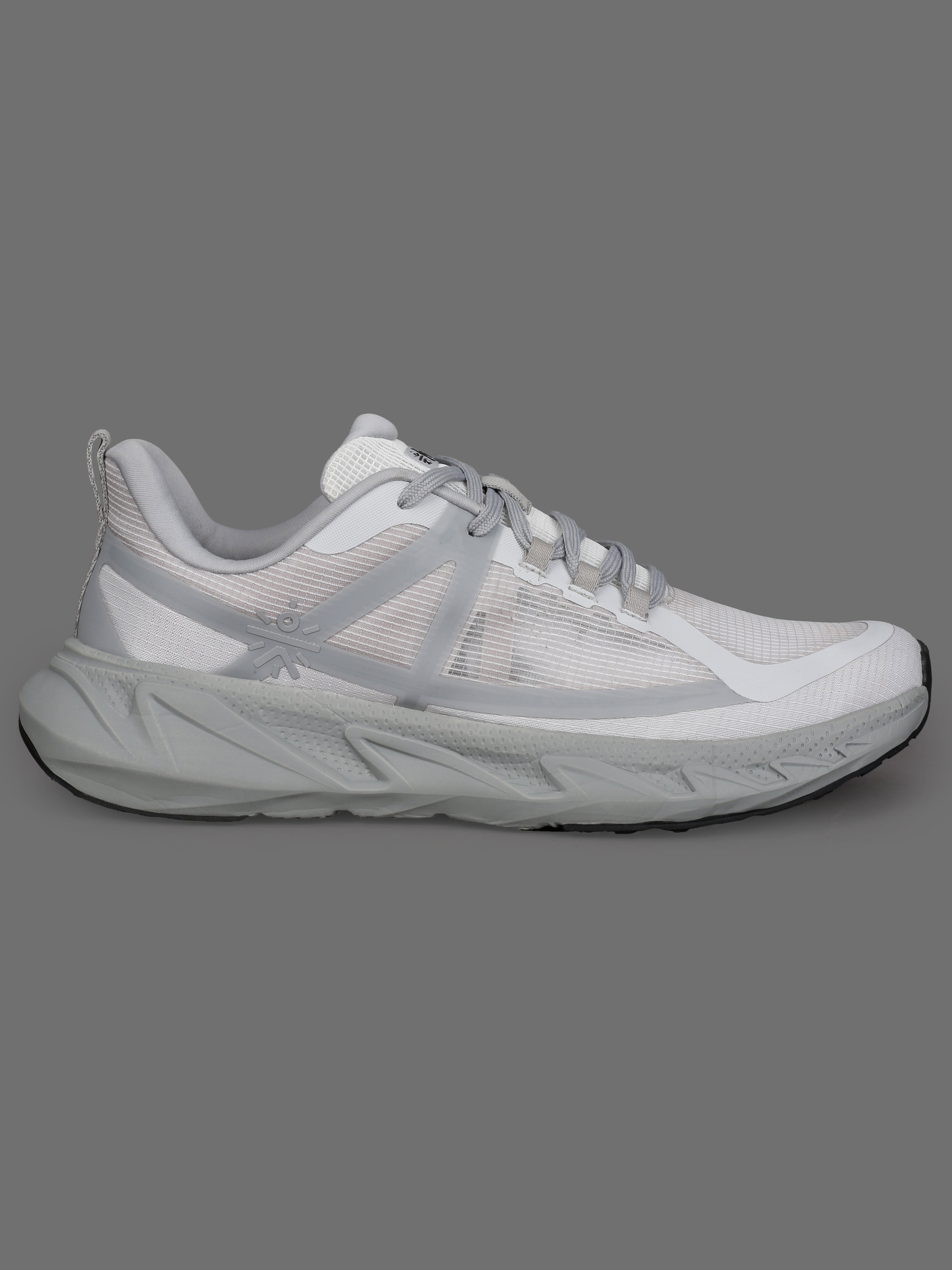
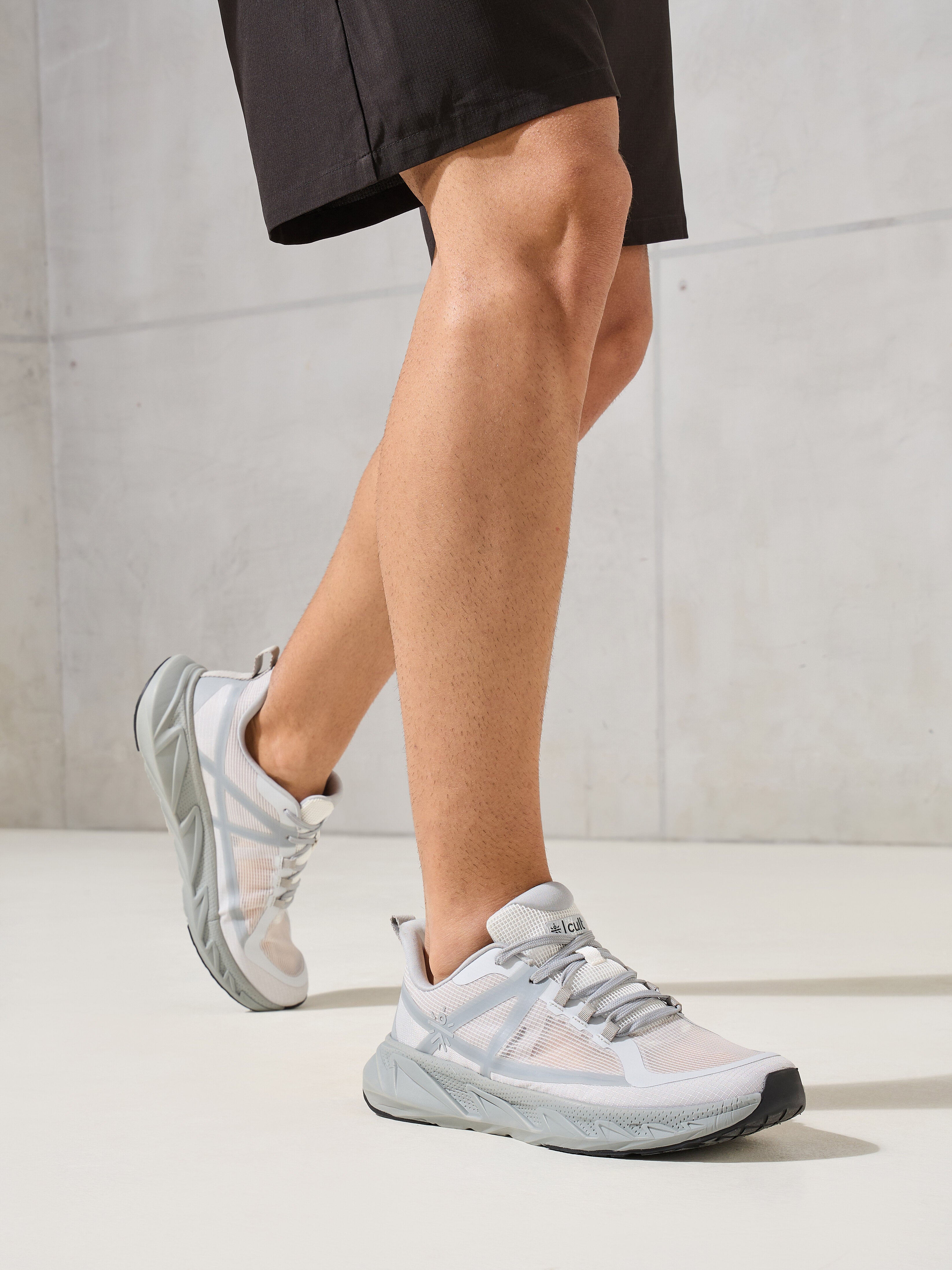
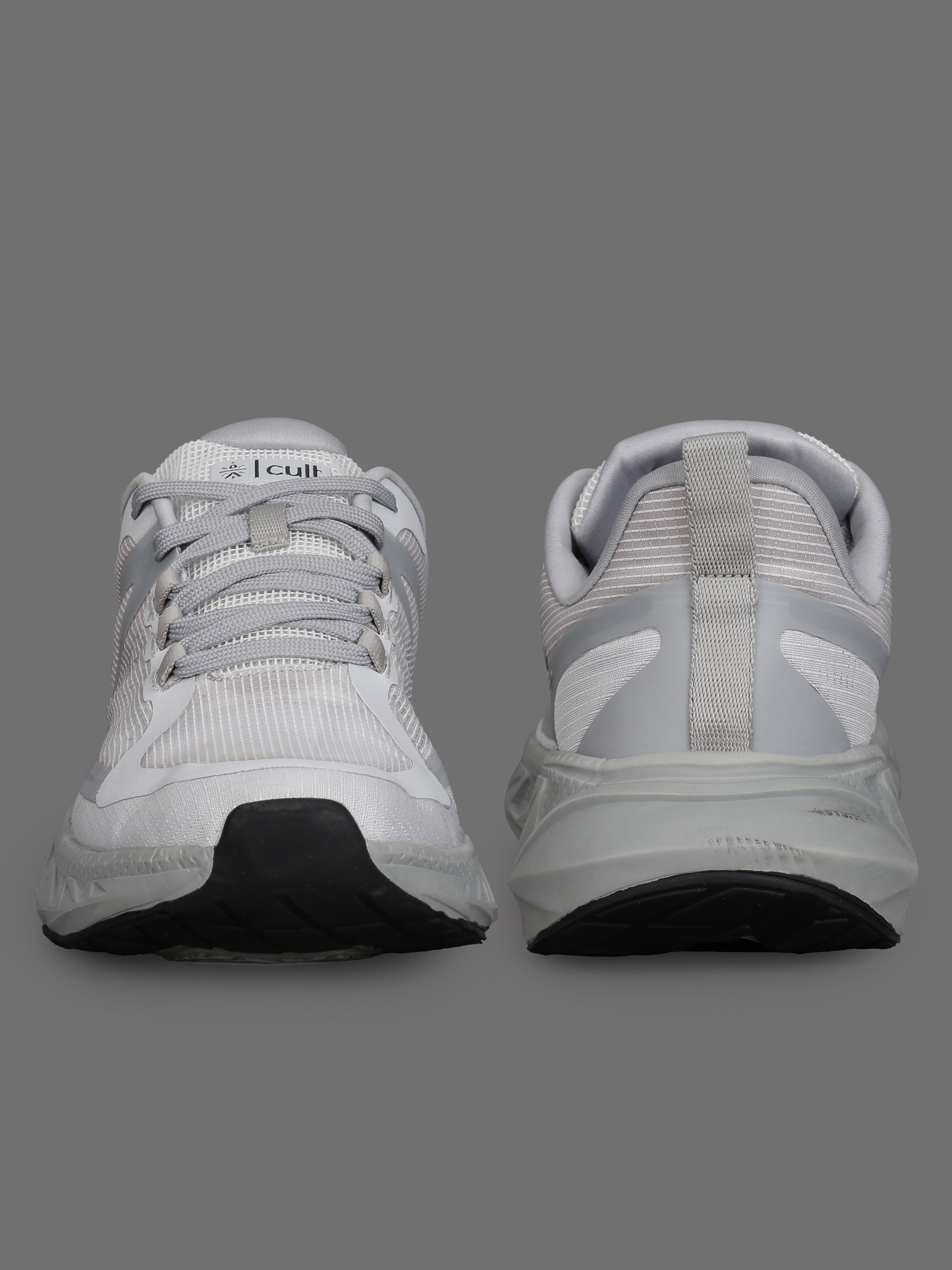
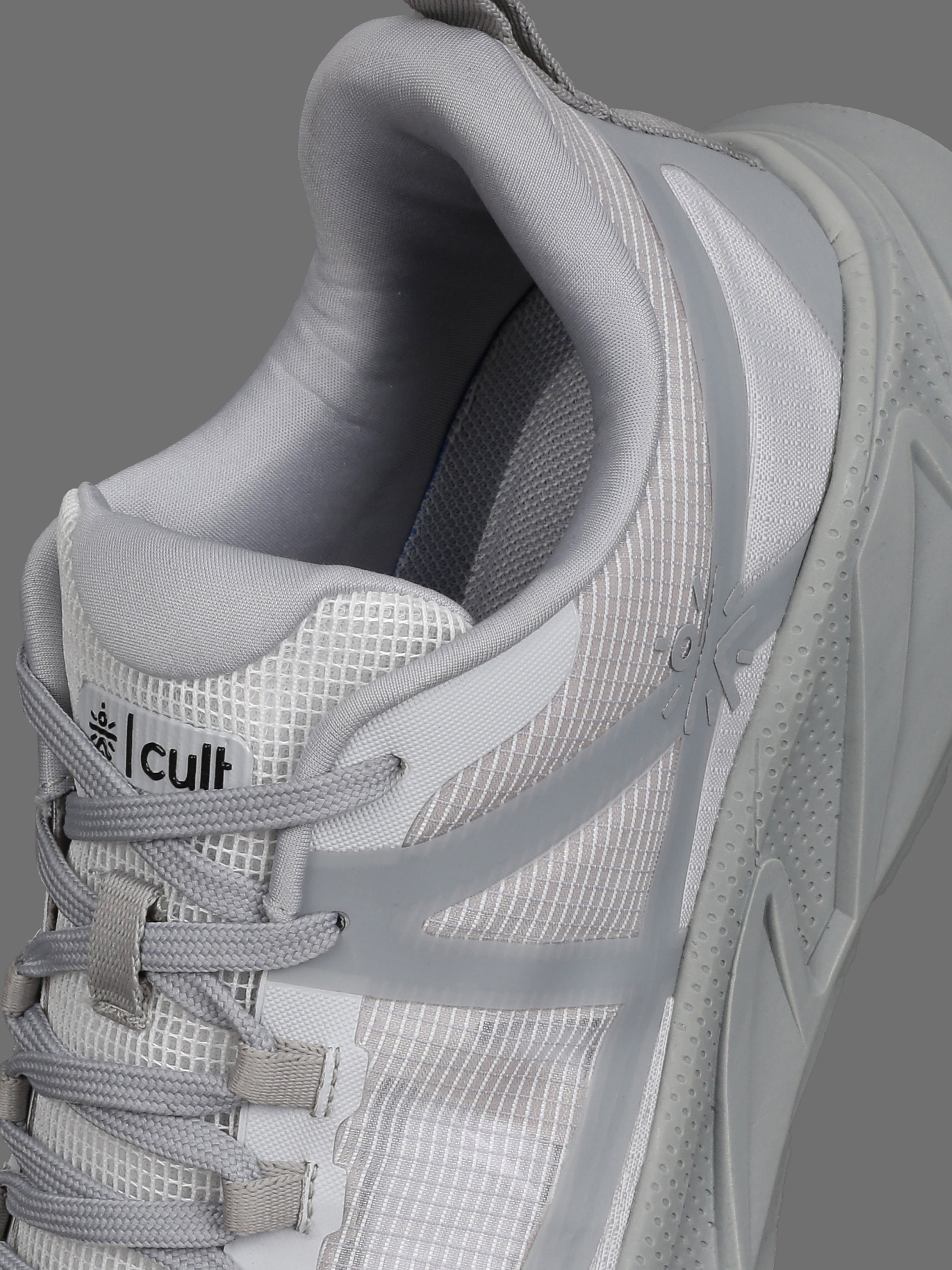
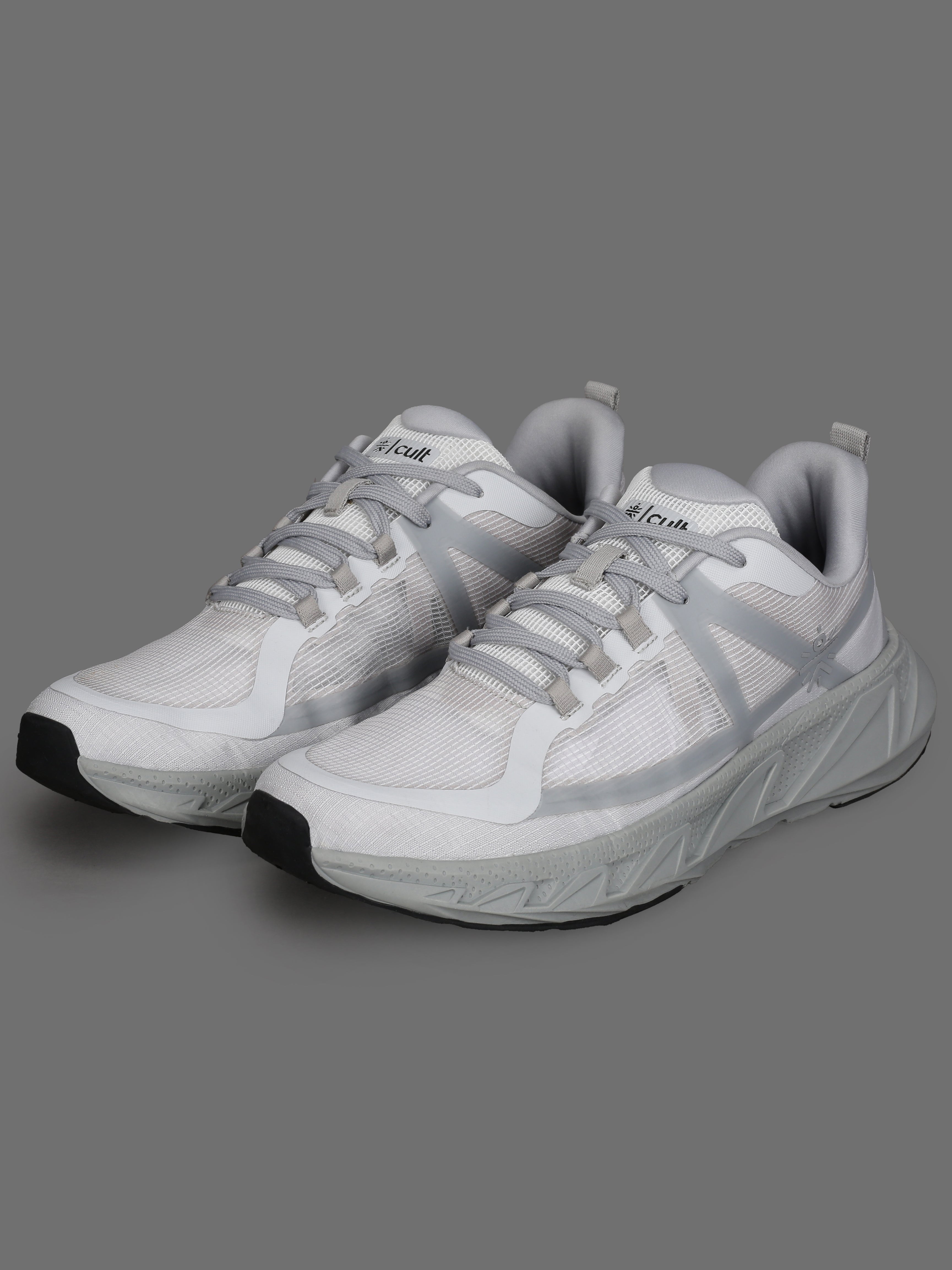
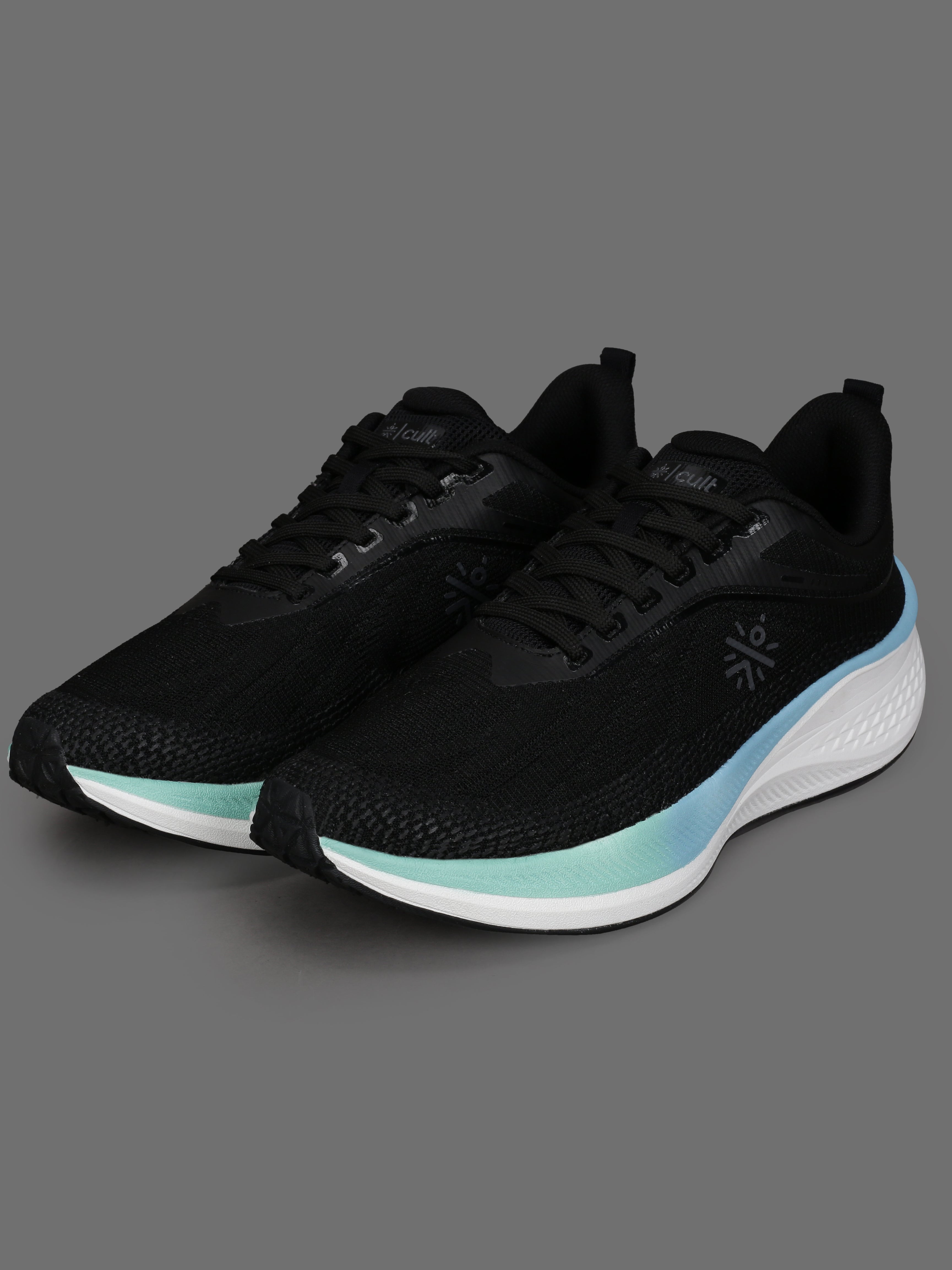
The outsole material matters for grip and longevity. A durable, high-grip outsole with zoned rubber helps on wet pavements and mixed surfaces. If you want a quick rule: lighter foam midsoles favour speed and short runs, while denser or layered foams suit longer distances and heavy mileage. For example, the cult Strix Running Shoes feature a shock-absorbing TPR outsole for smooth landings and stable strides, perfect for runners who value durability and comfort across mixed surfaces.
So when deciding which sole material is best for running shoes, consider balance, responsiveness, durability and the terrain you run on.
How to Choose the Right Shoes for Running
How to choose right shoes for running comes down to matching your body and goals to the shoe’s design. Below are the practical checkpoints to follow.
Consider Your Running Style
Are you a road runner, a trail runner, or do you mix routes? Road shoes tend to prioritise cushioning and smooth transitions, while trail shoes emphasise grip and protection. If you alternate surfaces, look for sports shoes for running with versatile outsoles and protective toe caps.
Foot Type and Arch
Knowing your foot type, whether neutral, high arch, or flat, tends to narrow options quickly. Runners with neutral or flat arches can explore options like the cult Men's Traverse Running Shoes, designed with a PU-moulded insole that supports balance and comfort mile after mile.
Shoe Types for Specific Goals
Ask yourself: do you need a daily trainer, a race-day shoe, or a lightweight for speedwork? That is how you determine which type of shoes are best for running in your situation. Daily trainers compromise on cushion and durability. Race shoes are minimal and speedy but short-lived. Cross-trainers or hybrids offer all-day versatility, are good for running and daily wear, and are ideal if you want one pair to do multiple jobs.
Understanding Cushioning Needs
Cushioning affects comfort and shock absorption. Long-distance runners usually prefer more midsole foam for softer landings; sprinters might choose firmer, lower-stack shoes for better ground feel. For those who prefer extra comfort, the cult Active Running Shoes offer high cushioning with a breathable flyknit upper, ensuring smooth, low-impact runs even during summer heat.
Durability vs. Weight
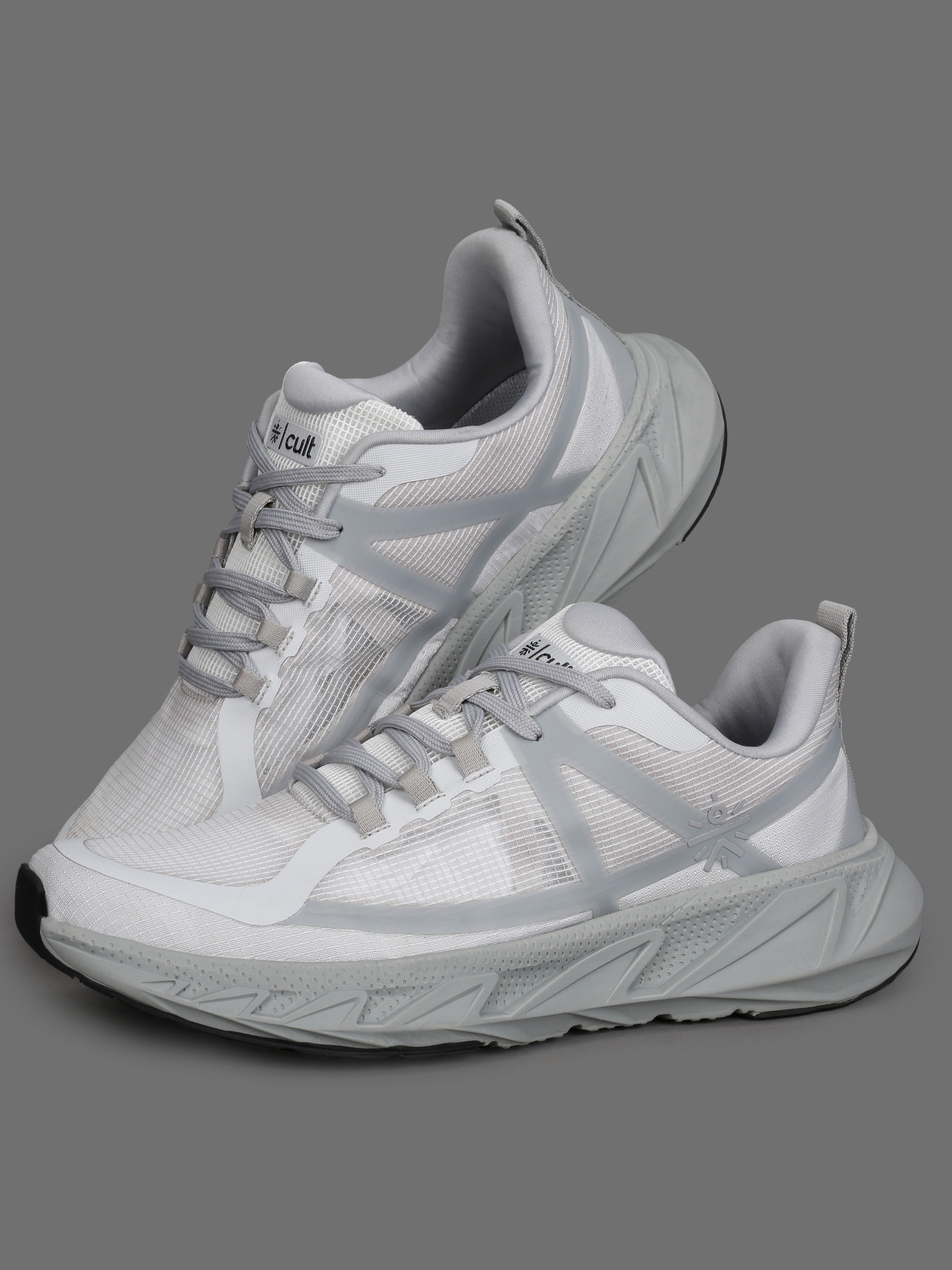
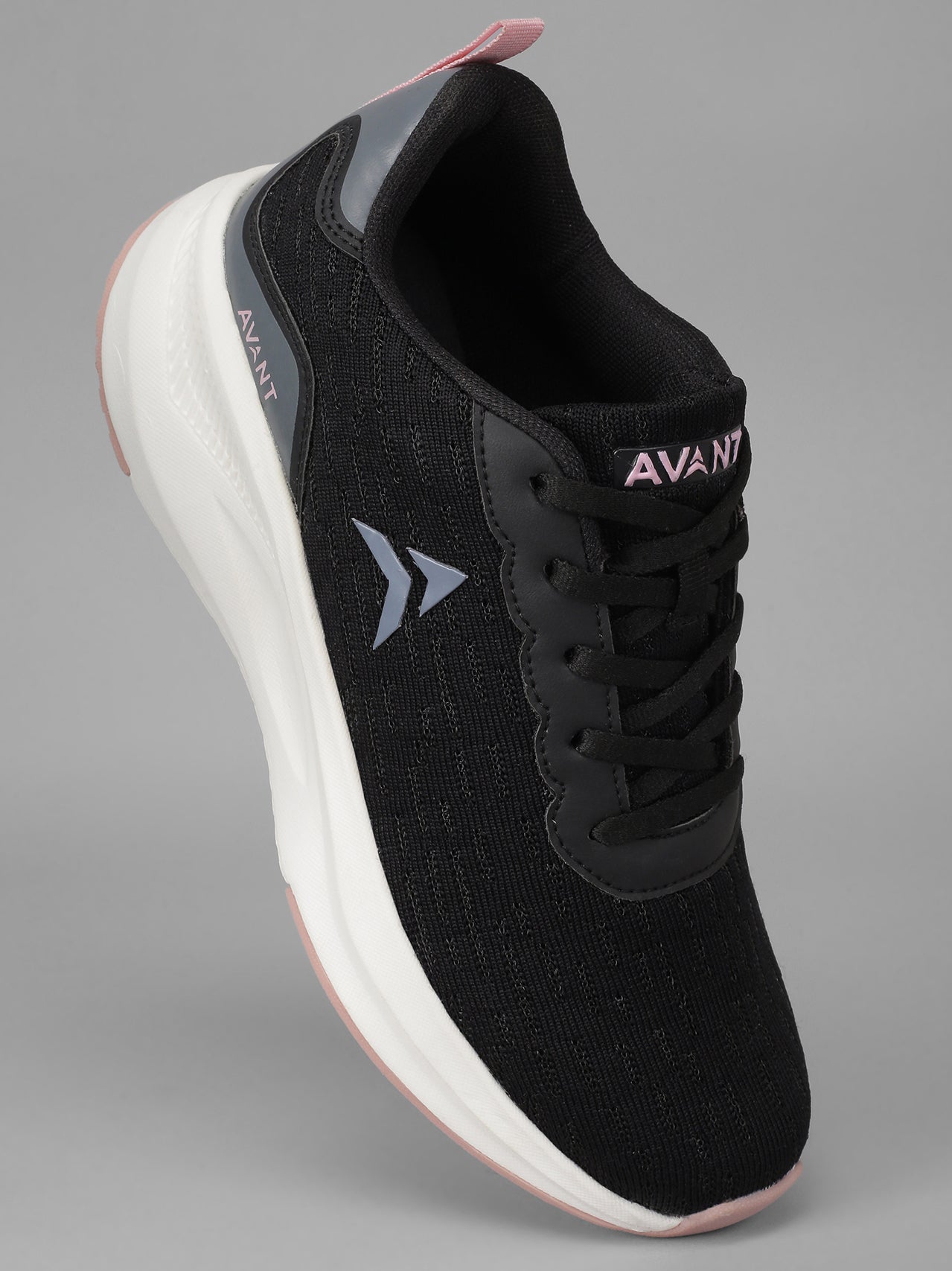
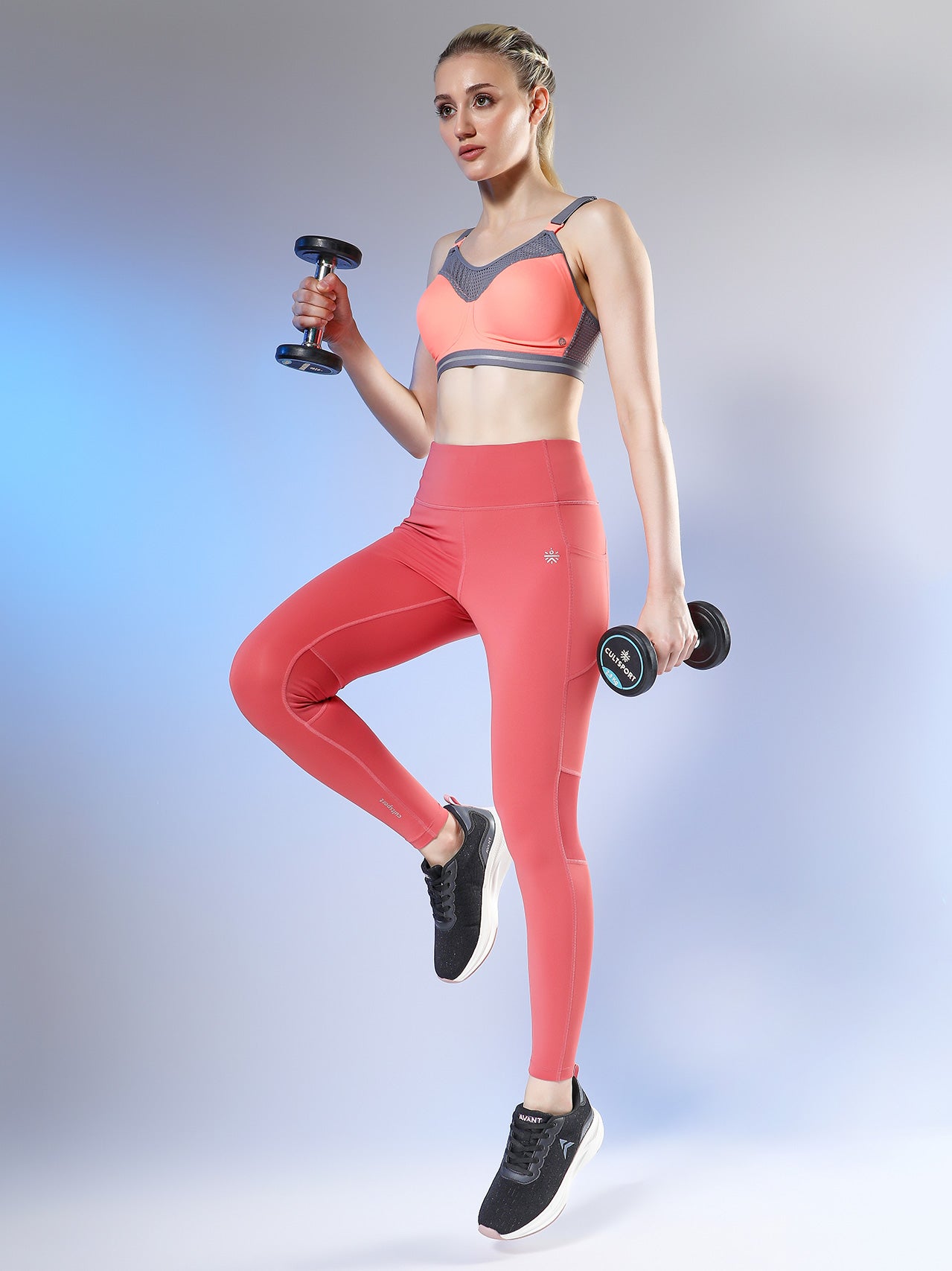
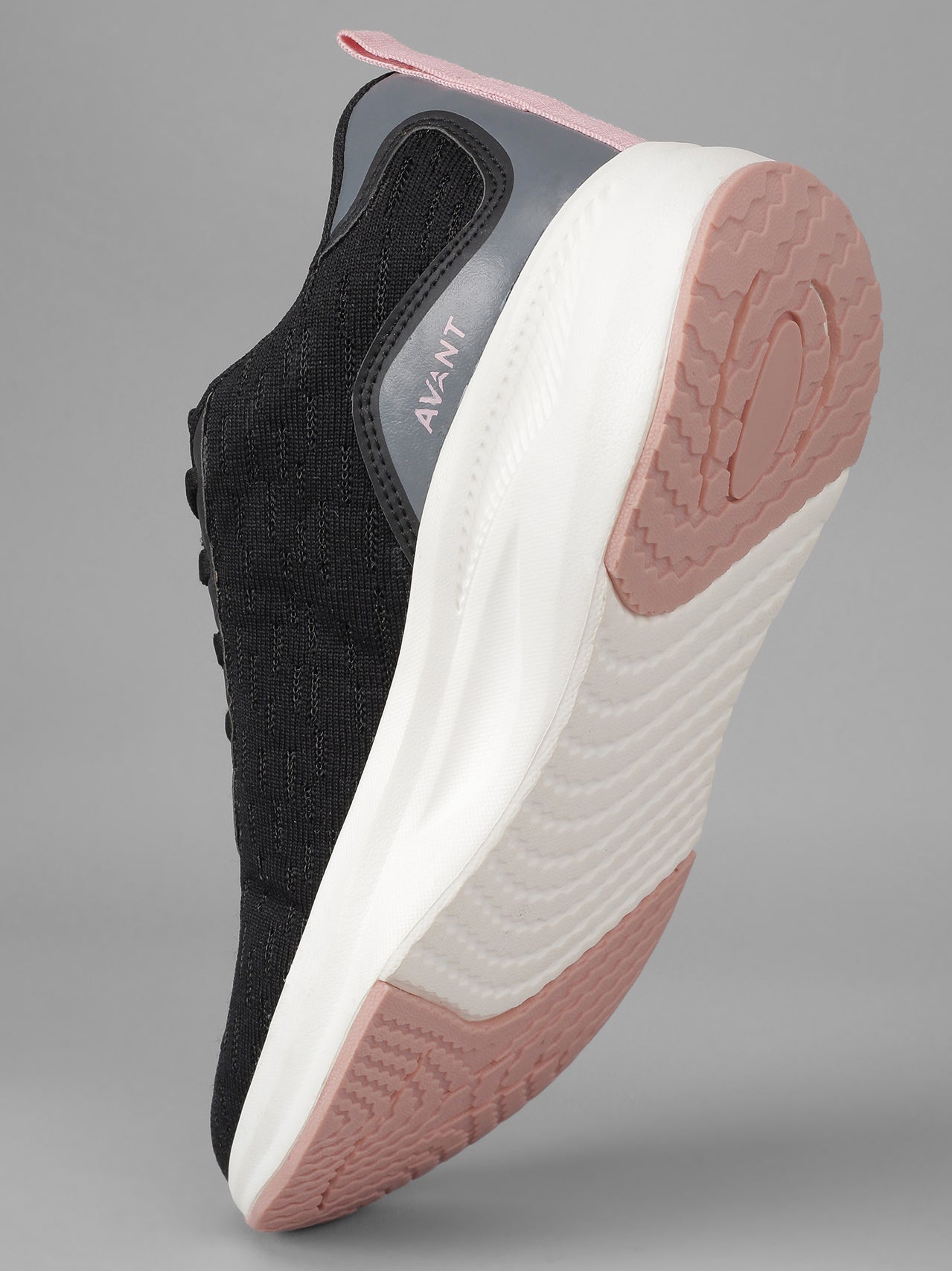
Lightweight shoes feel quicker, but often trade lifespan for speed. If you log high weekly mileage, prioritise longevity: denser midsoles and reinforced outsoles will last longer. For a lightweight yet durable option, try the Avant Aura Running Shoes, built with a knitted upper and TPR outsole for breathable comfort and dependable traction.
Additional Tips for Choosing the Best Running Shoes
1. Try shoes later in the day when your feet are a little swollen, which mirrors running conditions.
2. Wear the socks you’ll actually run in when trying shoes on.
3. Leave about a thumb’s width of room at the toe to avoid blackened toenails on downhill runs.
4. Take them for a short run test if the store allows it. If buying online, check the return policy. Knowing how to choose running shoes online includes understanding sizing charts and trial windows.
5. Look for an ergonomic fit & support build: contoured heel cups, gentle arch support and a secure lockdown from the lacing system.
6. If you want crossover use, consider casual shoes for runners that blend athletic tech with everyday styling.
Buying Online: How to Choose Running Shoes Online
When buying online, you should ask yourself the question, “What are the best running shoes for me?” When you can’t try before you buy, arm yourself with measurements and brand-specific sizing notes. Read user reviews that note fit and comfort, and prioritise retailers with fair return policies. Use your measurements (length and width) rather than relying on a generic size; many brands differ by half a size.
Conclusion:
The ideal running shoe is a matter of personal choice based on foot shape, running purpose, and the terrain you encounter. Get your perfect shoes and pair them with a cult fit membership for unlimited gym and group workouts - enjoy exclusive ‘Cult Member’ discounts on products
FAQs
What running shoes are best for long-distance running?
Long-distance running shoes usually have soft midsoles and a supportive ride. Choose higher volume models with responsive cushioning that will not compress too easily with heavy use.
1. How do I select running shoes if I'm a beginner?
Begin by establishing your primary surface and weekly mileage. Choose a neutral trainer with moderate cushioning and ergonomic fit & support. Go to a specialist store for gait analysis if you can, or use sizing guidelines and purchase from a store with a good return window so you can try them out.
2. How do I know what shoes to run in?
Check your foot type, running surface and aims. Then try on running shoes for fit, feel and comfort: a snug heel, sufficient toe space, and a normal stride.
3. Which sole material is good for running?
Which single material is most suitable for running shoes is a matter of priorities: light, cushioned EVA-based foams or the durable, denser PU foams.
4. Will the weather influence my selection of running shoes?
Yes. Wet or muddy conditions favour outsoles with deeper lugs and durable, high-grip outsole compounds. Hot climates benefit from breathable performance design uppers that keep feet cool and dry.