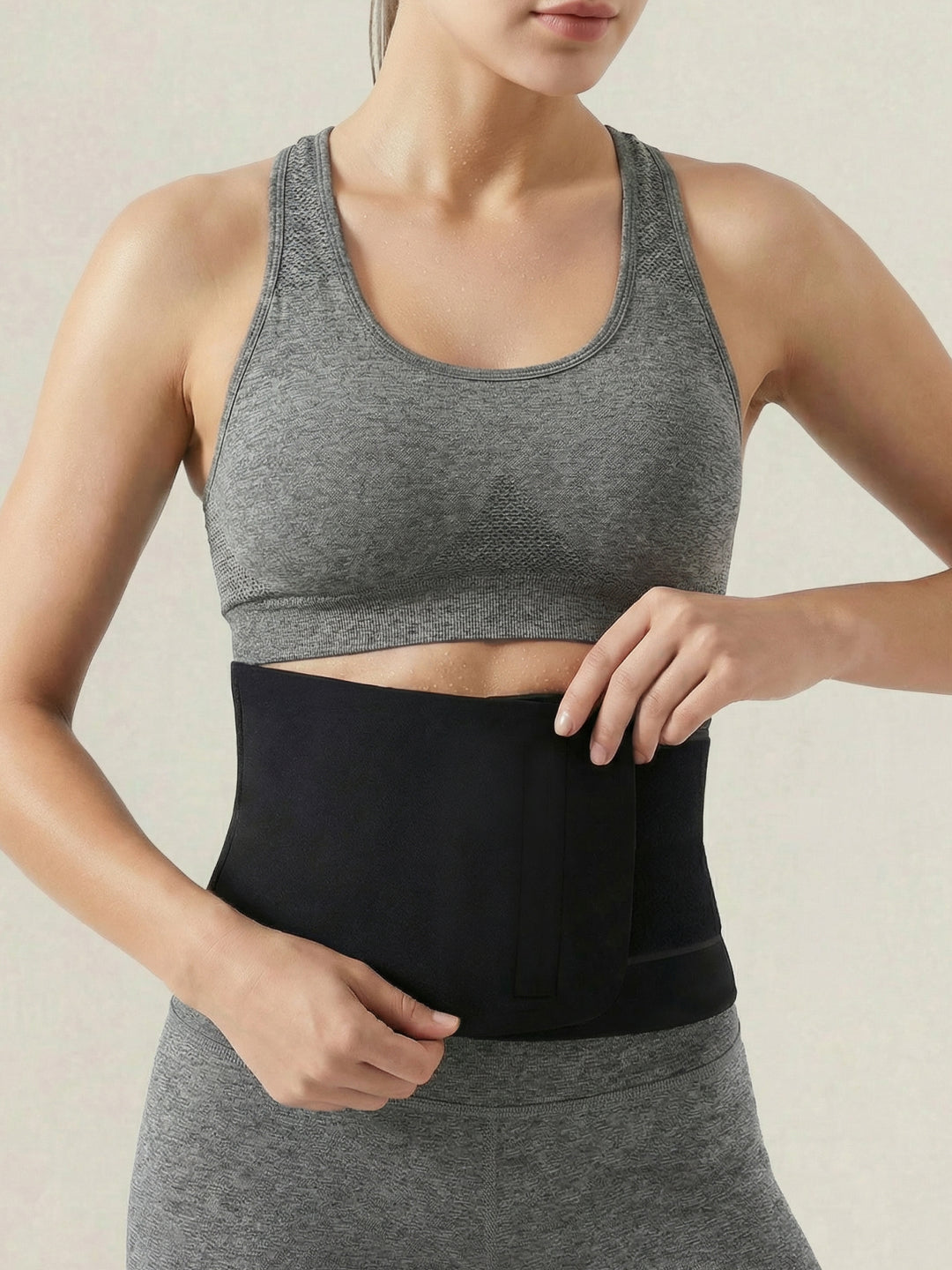
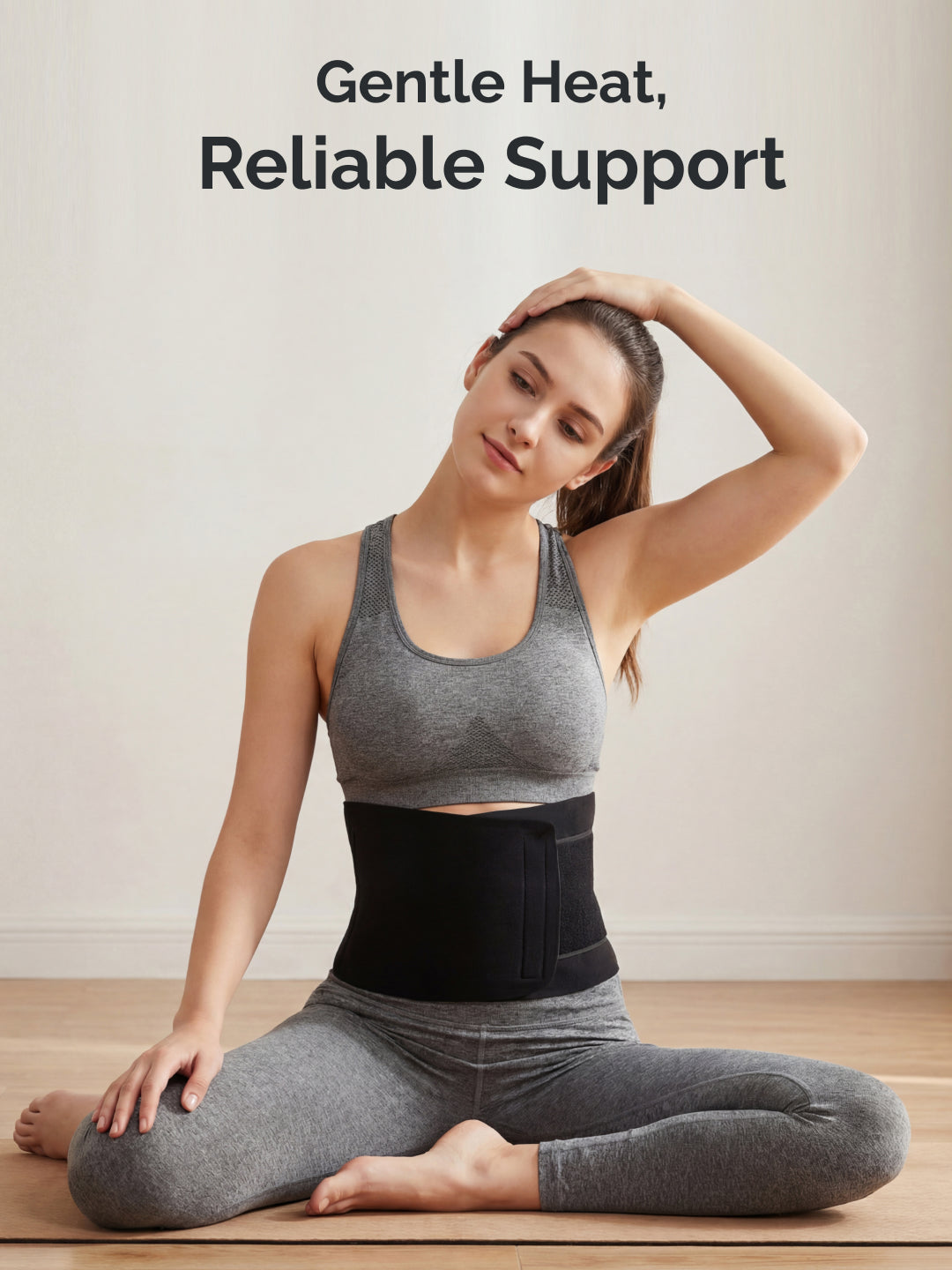
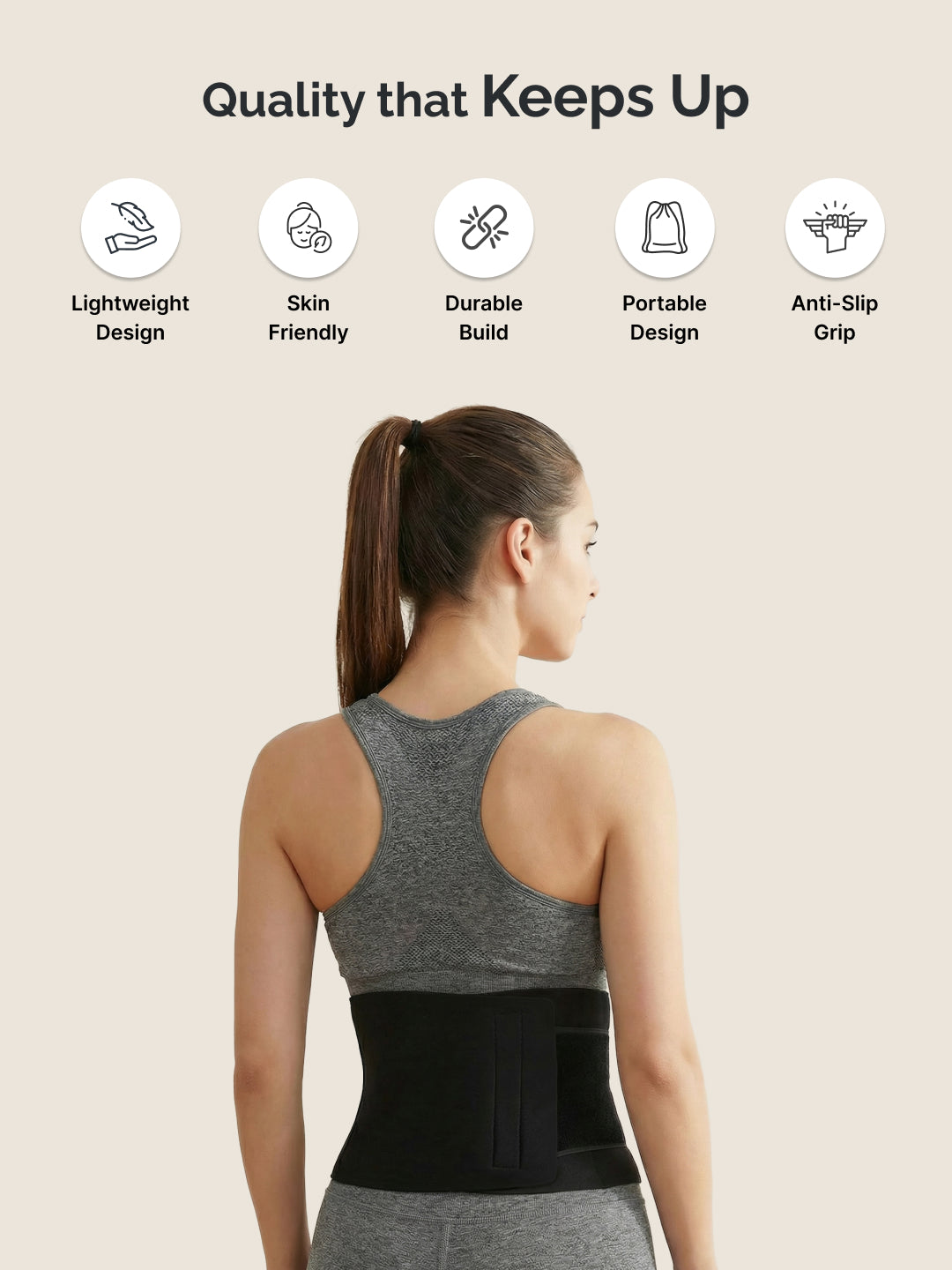
Shop the Best Weight-Lifting Belts for Heavy Training & Core Stability
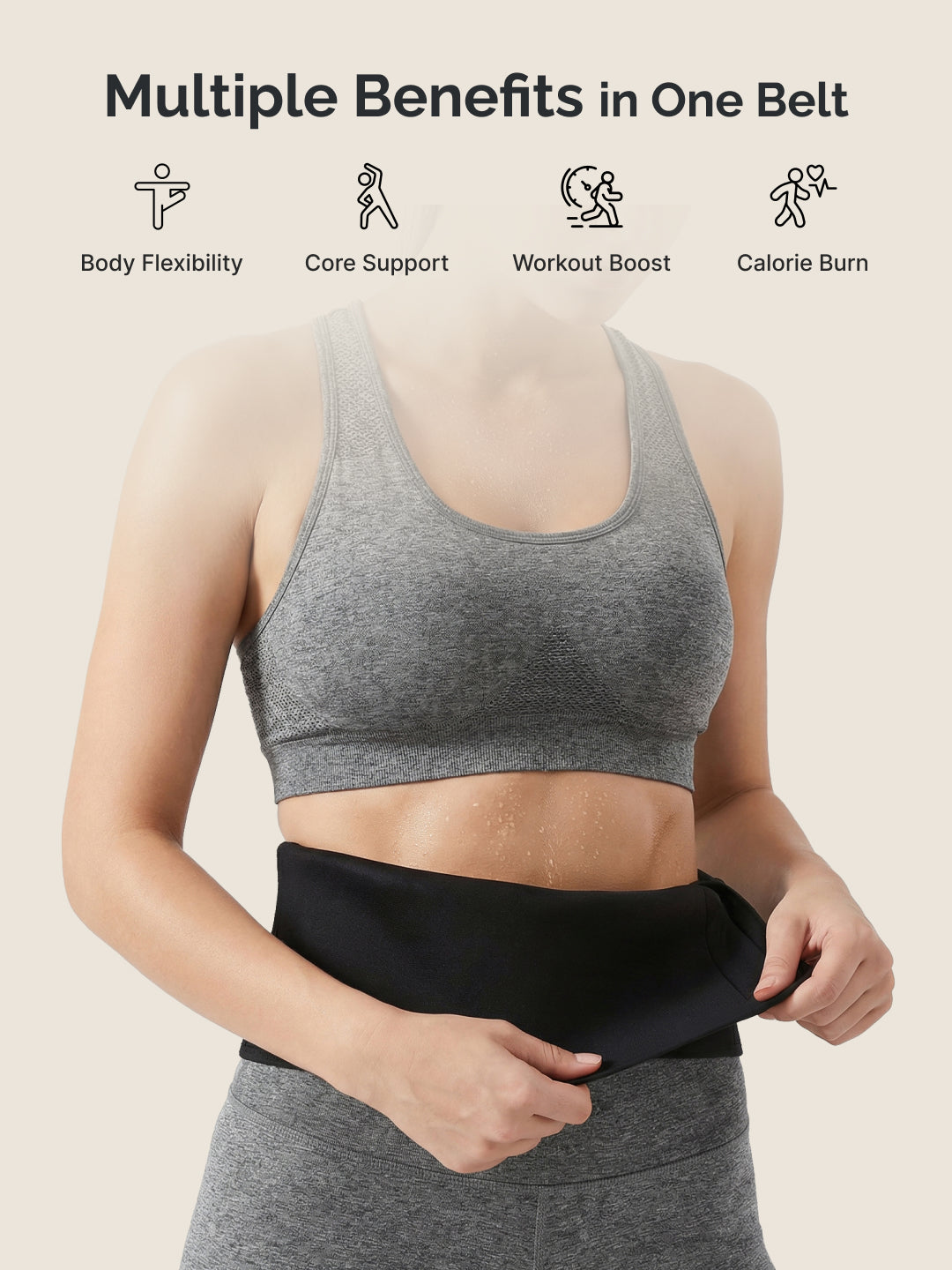
Maximise your strength training with the right weight-lifting belt. Designed to provide core stability and back support, these belts help you lift heavier with confidence while protecting your body. Whether you’re training for powerlifting, bodybuilding, or functional fitness, our range offers durable, high-performance belts to enhance your workout and prevent injury. Shop now and level up your training with the perfect belt that fits your needs.
Top Features to Look for in a Weight-Lifting Belt
- Wide Lumbar Support Panel: A wider back panel ensures even pressure across the lower spine. A good weight-lifting belt supports squats and deadlifts while allowing natural core bracing.
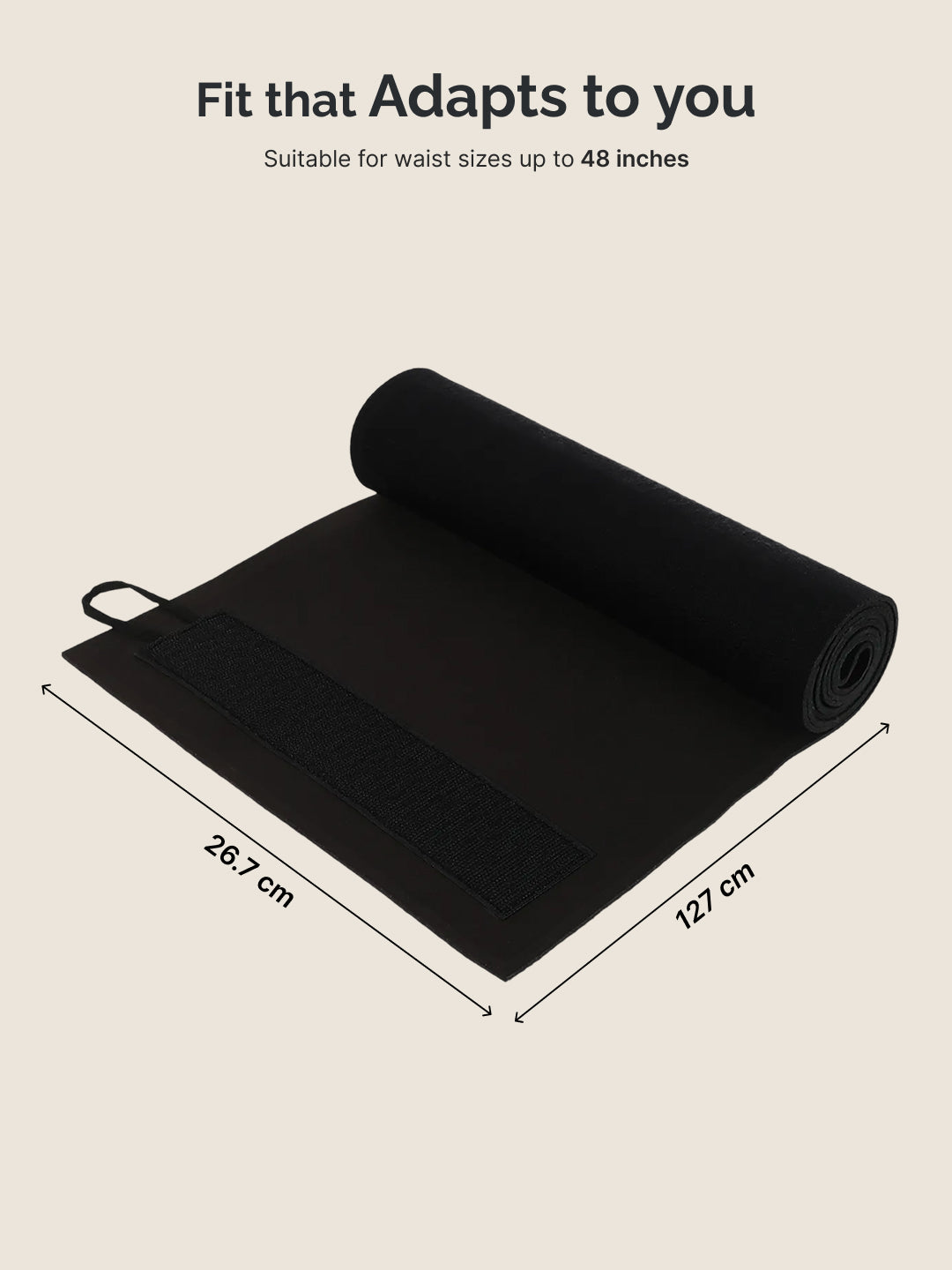
- Secure Velcro or Buckle Closure: A strong closure allows quick adjustments between sets. A powerlifting belt with durable Velcro or a solid buckle keeps tension consistent under load.
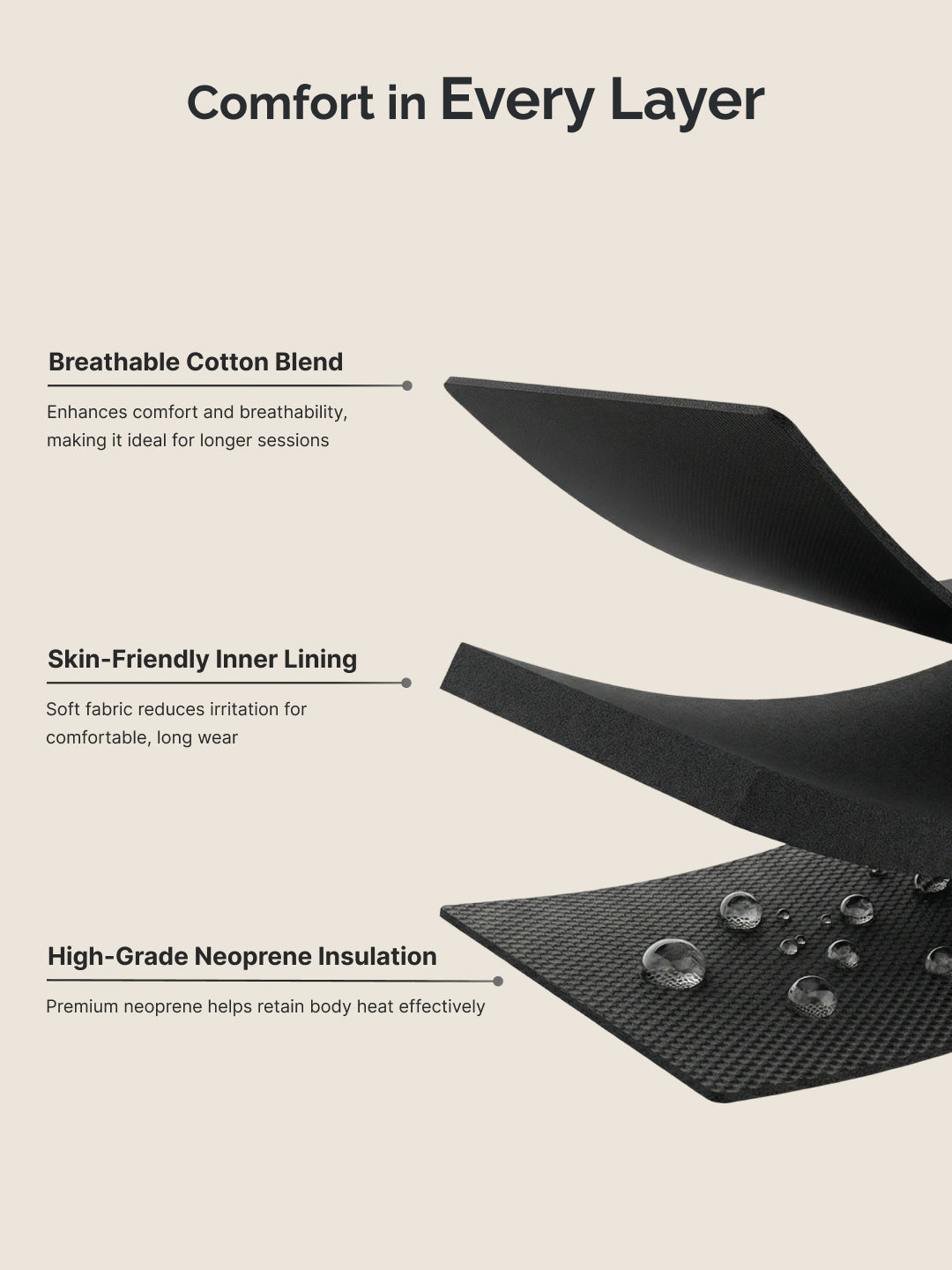
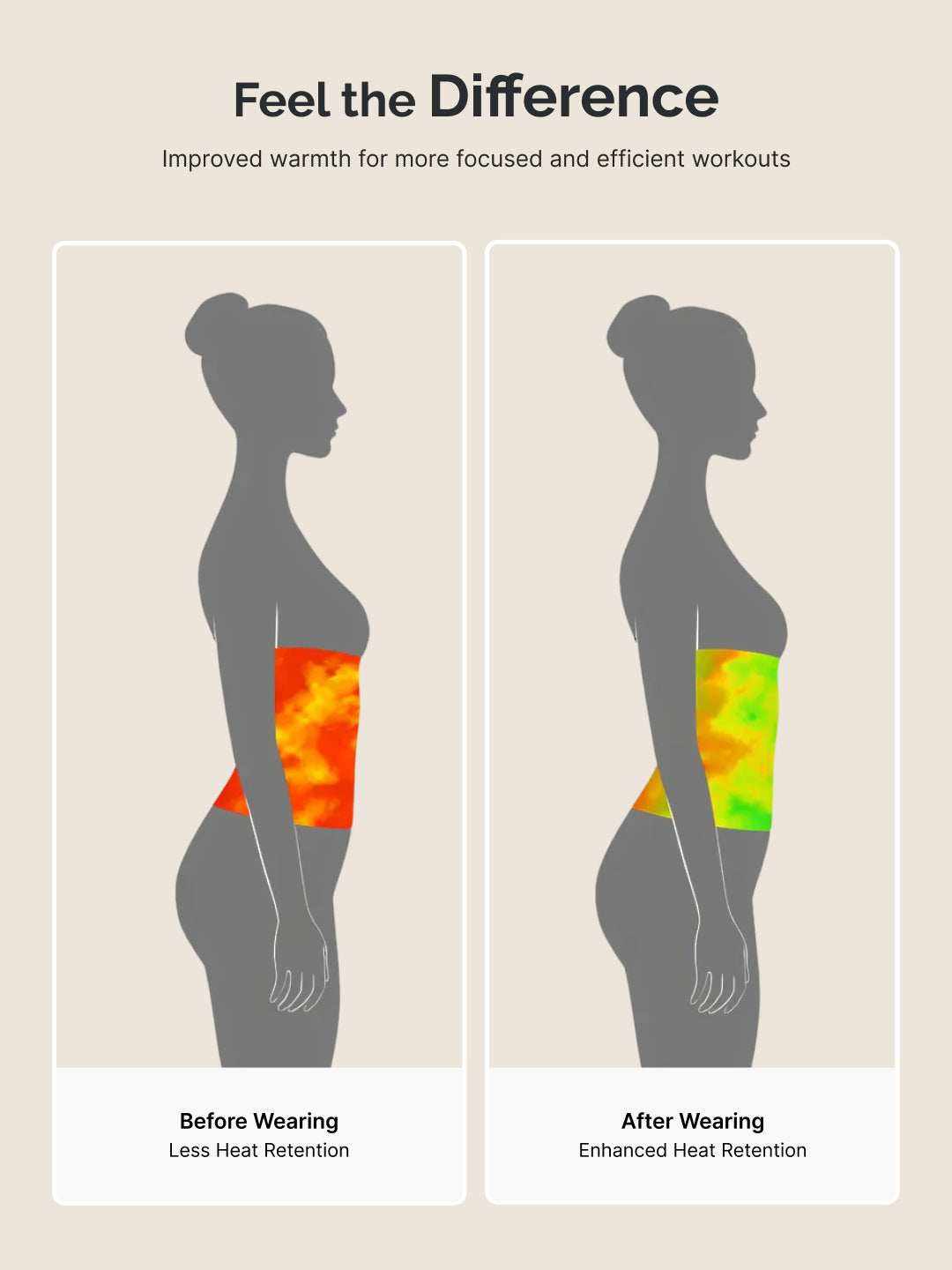
- Reinforced Stitching & Neoprene Insulation: The best gym belt features reinforced stitching for durability. The advanced neoprene fabric helps regulate body temperature during intense sessions.
- Odour Resistance: Odour-resistant material keeps the belt fresh and hygienic, even with regular use.
How to Choose the Right Weight-Lifting Belts for Your Needs?
- Choosing the Right Fit and Adjustability: Pick a snug belt that supports without restricting movement, with easy adjustability for consistent comfort and stability across different exercises and body changes.
- Consider Your Lifting Style: Select belt width based on your lifts: 4 inches for heavy squats and deadlifts for better lower back support and 3 inches for dynamic movements and for more flexibility.
- Buckle vs. Velcro Closure: Buckle closures provide a secure, durable fit for heavy lifting, while Velcro allows quicker adjustments during workouts.
- Match Belt to Your Training Level
- Beginners: Prioritise proper bracing and form. Introduce a moderately flexible belt only when lifting around 70–80% of your one-rep max.
- Intermediate Lifters: Use a moderately rigid belt to improve core stability during heavier compound lifts.
- Heavy Strength Athletes: Go for a thick, highly rigid belt for maximum intra-abdominal pressure and spinal support during near-maximal lifts.
How to Maintain Your Weight-Lifting Belts for Long-Lasting Performance?
- Clean After Use: Wipe your weight-lifting belt with a damp cloth to remove sweat and chalk, and air-dry it to prevent moisture and odour buildup.
- Proper Storage: When storing your belt in duffle bags, keep it flat and avoid folding it at the lumbar support to prevent weakening the structure.
- Condition Leather Belts: Apply leather conditioner to leather belts periodically to avoid cracking and drying.
- Regular Inspections: Check your gym belt for frayed edges or loose stitching and replace it if needed to ensure optimal performance.
Pair Your Weight-Lifting Belts with These Companions
- Combine your belt with gym straps to reduce grip fatigue during heavy pulling movements.
- Include an ankle weight for isolation drills and endurance training.
- Use a dumbbell for controlled accessory lifts that complement supported compound training.
- Add a kettlebell for dynamic swings and functional strength work.
- Protect your hands and improve grip with gym gloves that prevent calluses and enhance your control during intense sessions.
Why Buy a Weight Lifting Belt Online from Cult Store?
Cult Store offers the best budget weightlifting belts designed with a focus on durable build quality, reliable support, and everyday training comfort. Our thoughtful construction ensures you buy a gym belt with a secure fit that delivers consistent performance across sessions. Clear size charts, transparent gym belt prices, and easy return policies make the buying experience simple and dependable.
FAQs
1.Do weightlifting belts actually help?
Yes. A weight-lifting belt increases intra-abdominal pressure and improves spinal stability under heavy loads.
2.Do weightlifting belts prevent injuries?
No, they do not prevent injuries. Instead, they support proper bracing, preventing the risk of lower back strain.
3.When should I wear a weightlifting belt?
Use it during heavy squats, deadlifts, and overhead presses. Avoid relying on it for light accessory work.
4.What thickness of weight-lifting belt should I choose?
Thicker belts, like 13mm, are best for heavy strength training, while 10mm offers a balanced mix of support and versatility for most gym routines. For greater flexibility and multi-workout use, 6mm provides lighter support with better comfort.
5.Can I wear a weightlifting belt for all exercises?
While weightlifting belts are great for heavy lifts, they are not necessary for every exercise. They are best used for compound movements like squats, deadlifts, and overhead presses.
6.How tight should a weightlifting belt be?
A good weight-lifting belt should feel snug without restricting breathing. You should be able to take a deep breath against the belt's resistance.
Popular Searches: Resistance Band | Doorway Pull-Up Bar | Punching Bag | Gym Towel | Sports Socks | Running Cap | Sports Cap | Shaker Bottle | Sippers | TPE Yoga Mat | EVA Yoga Mat | 4 mm Yoga Mat | 6 mm Yoga Mat | 8 mm Yoga Mat | 10 mm Yoga Mat | Purple Yoga Mat | Blue Yoga Mat | Black Yoga Mat